
What Is Independent Living for Seniors? A Complete Guide
Not every senior needs help with daily care — many just need less house, less upkeep, and more community. That’s exactly what independent living was built for.
The phrase “senior living” covers a wide spectrum, and it’s easy to lump every option into one mental picture of nursing homes and hospital-style care. But independent living sits at a very different point on that spectrum — and understanding where is often the key to finding the right fit sooner rather than later.
Here’s a clear, honest breakdown of what independent living actually is, who it’s for, and how to know if it fits your family’s situation.
The Simple Definition
Independent living is housing designed specifically for seniors who are largely self-sufficient but want to trade home maintenance, isolation, and the burden of running a household for a maintenance-free lifestyle built around convenience and community.
There’s no medical care built into the model. No caregivers assisting with dressing or bathing. No nursing staff on rotation. Instead, think of it as upscale senior-focused housing — apartments, cottages, or shared communities — with amenities and social structure layered on top.
If assisted living is “housing plus daily care support,” independent living is “housing plus lifestyle.” The resident is fully capable of managing their own daily needs — they’re simply choosing not to manage a house, a yard, and a kitchen alone anymore.
Who Independent Living Is Actually For
Independent living tends to be the right next step for seniors who recognize the writing on the wall before a crisis forces the decision. It’s a proactive move, not a reactive one.
- Seniors who are healthy and mobile but tired of maintaining a home, yard, or large property
- Recently widowed individuals looking to replace the isolation of an empty house with daily social contact
- Retirees seeking simplicity — no more cooking every meal, no more home repairs, no more solo errands
- Adult children who live far away and want a parent in a community with built-in safety and social structure, without needing hands-on care yet
What’s Typically Included
Independent living communities vary, but most are built around a consistent core of convenience-driven amenities.
Common inclusions
- Private apartment or cottage-style living, often with a full kitchen
- Dining options, from full meal plans to on-site restaurants and cafés
- Housekeeping and maintenance handled by the community, not the resident
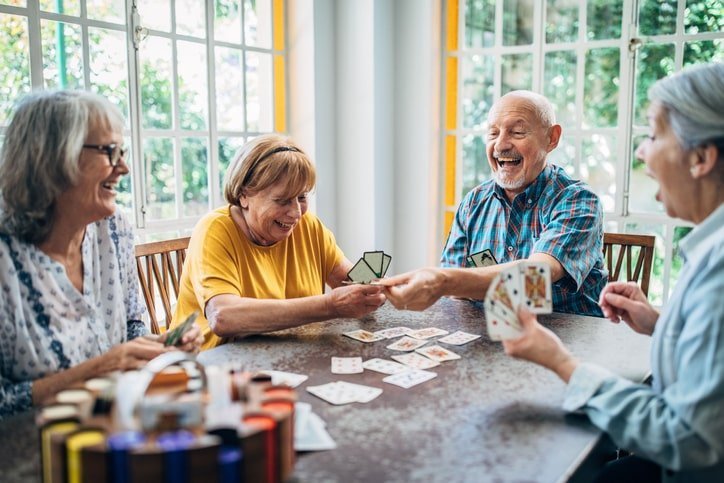
- A full activities and events calendar — fitness classes, clubs, outings, social events
- Transportation services for errands, appointments, and outings
- Security and emergency response systems for peace of mind, without hands-on caregiving
What It’s Not
Independent living is not a substitute for assisted living or memory care. It doesn’t include help with bathing, dressing, medication management, or mobility. If daily care needs are already part of the picture, independent living usually isn’t the right fit — and a good advisor will tell you that honestly rather than trying to make it work.
Independent Living vs. Assisted Living: The Real Difference
This is the comparison that trips up most families, because from the outside, the buildings can look nearly identical. The difference isn’t in the walls — it’s in the level of support.
Some communities offer both under one roof, allowing a resident to start in independent living and shift to assisted living later without relocating — something worth asking about directly when comparing options.
“Independent living means giving up my freedom.” In practice, most residents describe the opposite experience — fewer chores and responsibilities actually create more freedom to travel, socialize, and enjoy retirement, not less.
Signs It Might Be Time to Consider It
- The house feels like a burden more than a home — upkeep, repairs, and yard work outweigh the benefits of staying
- Meals and errands have become a daily chore rather than something enjoyable
- Days go by with little to no social contact outside of occasional family visits
- There’s a desire for more activity and connection, not less independence
How to Start Looking
Because independent living communities vary so widely in style, amenities, and community culture, the best approach is rarely to pick the first one that comes up in a search. Visiting in person, eating a meal in the dining room, and talking to current residents tends to reveal far more than a brochure or a website ever will.
A local senior placement advisor can also help narrow the list — someone who knows the communities in your area personally, understands your family’s priorities, and can point you toward the right fit faster than searching alone.
Frequently Asked Questions
Is independent living the same as a retirement community?
They’re closely related. “Retirement community” is often used as an umbrella term, while independent living specifically refers to communities without built-in medical or personal care services.
Can a couple move in together if one needs more care than the other?
Sometimes. Some communities allow a couple to live together in independent living while one partner receives supplemental assisted living services. This varies significantly by community and is worth asking about directly.
What happens if care needs increase after moving in?
This depends on the community. Some offer a continuum of care on the same campus, allowing a smooth transition to assisted living. Others may require a move to a different community entirely.
Is independent living only for seniors who live alone?
Not at all. Many residents move in specifically to build a stronger social life, even if they weren’t living alone before — the community and activity calendar are often the biggest draw.
Not Sure If Independent Living Is the Right Fit?
Every family’s situation is different, and the right level of care depends on more than just age. If you’d like help sorting through your options with someone who knows the local communities well, reach out for a free, no-pressure conversation.